
Bedford Breast Center
436 N Bedford Dr, Ste 308
Beverly Hills, CA 90210
Phone: (310) 278-8590
Monday – Friday: 9 a.m.– 5 p.m.
Chemotherapy treatments can be easier using a port, a device that allows IV medicine to be administered and blood sampling to be performed through a conduit into the bloodstream.
Bedford Breast Center offers a proprietary hidden port placement technique that considers both medical and aesthetic factors to meet the needs of our Los Angeles, Beverly Hills, Santa Monica, Glendale, and Malibu-area patients.
What is a Port?
Doctors typically deliver chemotherapy drugs intravenously. This means the medicine is injected or dripped into a vein through a thin plastic tube (cannula) inserted into the arm or hand. Since most cancer patients generally need regular chemotherapy sessions, having a port placed can make the treatment easier.
A port is a soft, flexible tubing threaded into the bloodstream and attached to a device that can be accessed from a needle through the skin. This eliminates the repeated need for finding a vein for IV access or blood lab draws.
What Are the Benefits of a Port?
A port can be placed before chemotherapy begins and left intact throughout cancer treatment. Tubing and port sites are situated beneath the skin and do not require special care. Patients can shower, swim, and go about their daily routine with no restrictions, knowing that when it’s time for their life-saving medicine, they will have an easier time with dedicated and reliable access to their bloodstream.
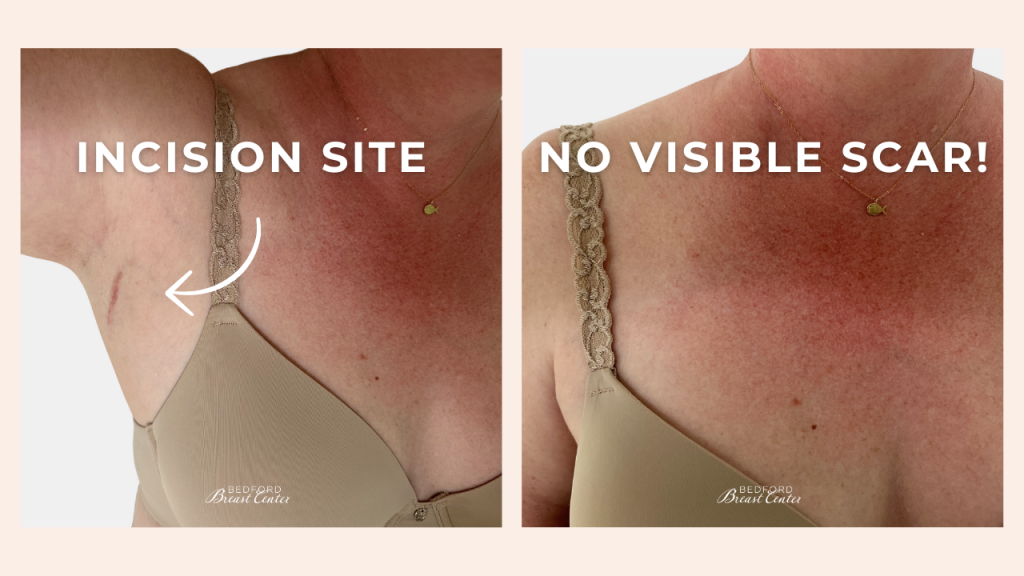
“I had a port placed with Dr. Richardson last Tuesday. I drove to LA from Orange County to meet with her and learn about her technique the week before. She is an amazing person and surgeon who explained her process thoroughly and answered all of my questions. I’m so grateful that I found her and was able to have a port placed with no visible scarring (incision is under my armpit). This was important to me, as I don’t need anymore “battle scars” or “badges of honor.” She took great care in looking at my anatomy and placing it where it needed to be that was best for me. I did not want a port, but now I have one in the best possible way for me and I think fondly of the experience. Every little bit helps when you are going through a cancer battle, in my opinion. And Dr. Richardson provided me with something no one else could. All by changing the “standard of care” a little bit to allow for a better result. That is the kind of doctor you want. She has a great heart and is so patient and kind, too. Excellent bedside manner. I’m so, so glad I met her.”
Stephanie B. – Yelp
Who Is a Good Candidate for a Port?
Chemotherapy ports are beneficial for patients planning on receiving chemotherapy medicines that can cause irritation or scarring to veins, particularly small veins near the periphery of the arms. Patients with difficult IV access and those who struggle with giving blood or having an IV placed will significantly benefit from a port.
Traditional Port Placement
Many medical centers place the port site near the collarbone under local anesthetic and slight IV sedation. This is typically done because doctors find this placement allows the simplest and most direct access to the center of the chest.
While this certainly is a quick and easy approach, it often compromises the aesthetic of the décolletage—an area many women wish to accentuate—leaving behind a visible lump and a distracting scar on the upper chest.
Port Placement at Bedford Breast Center
At Bedford Breast Center, we take pride in our innovative technique that involves placing a chemo port through a small incision site in the armpit, making the port itself easily accessible in the collarbone area. Unlike traditional placement, the port is not visible, and there is NO visible port scar once treatments are completed. The port can be easily removed through the incision through which it was placed, in the underarm area where it is not easily seen.

We prioritize a treatment experience that leaves minimal permanent reminders, focusing not only on the successful eradication of cancer but also on each patient’s overall well-being. When treatment concludes, we want our patients to both look and feel like the best version of themselves.
The Port Placement Procedure
Port placement is a short outpatient procedure that takes 1 to 2 hours to complete. The area where the implanted port will be placed (underarm) will be cleaned and numbed with a local anesthetic. A surgeon makes a tiny incision (approximately 1 to 2mm) close to the armpit and a larger incision (around 2 cm) in the inner part of the upper arm close to the biceps muscle.
The catheter will be inserted through the larger incision, tunneled under your skin to the first incision, then threaded into one of the large veins near your neck ending near the top of the heart. The surgeon will close the incisions with sutures, which will be absorbed by the body, or with Dermabond® surgical glue.
Recovery After Port Placement
It is normal to experience some discomfort around your incision sites and where the catheter was threaded under your skin. This should resolve within 24 to 48 hours. You may take over-the-counter pain medications until the discomfort subsides.
Avoid wearing tight bras or carrying your purse across your chest for the rest of the day. We recommend that you relax at home. You can eat and drink normally but expect to be a bit sore and tired. The dressing will be removed a few days later, and then you can shower or bathe. The stitches will dissolve over time.
Be sure to monitor any signs of infection and inform your doctor immediately if you notice any pain, swelling, fluid around the incisions, redness, chest pain, shortness of breath, swelling on the arms, dizziness, or fever.
Caring for Your Port
A nurse or healthcare worker should flush out your port every four weeks to prevent the catheter from becoming blocked. If it becomes blocked with blood or medicine, it may not function correctly and may need to be removed. However, ports generally do not require much care. Your nurse should be able to guide you through any maintenance requirements, such as cleaning the area and preventing infection.
Frequently Asked Questions
What is a chemo port and how does it work?
Who needs a chemotherapy port for cancer treatment?
What is the difference between traditional and hidden chemo port placement?
Does a chemo port leave a visible scar?
Is chemo port placement surgery painful?
How long is the recovery after chemo port placement?
Can you shower or exercise with a chemotherapy port?
How often does a chemo port need to be flushed or maintained?
When and how is a chemo port removed after treatment?
What are the risks or complications of chemotherapy port placement?
View Featured Before & After Photos
Our world-class facility serves patients from throughout Los Angeles, Southern California, and nationwide. To learn more about your port placement options and our proprietary technique, call us at (310) 278-8590 or contact us using the online form to schedule an appointment.
Curious if your procedure is covered by insurance? Bedford Breast Center has partnered with a specialized billing service to help you maximize your insurance benefits. Click here to take a short quiz and find out if you qualify.
